
Why are rats in Downtown Phoenix homes during winter
Rats move into Downtown Phoenix homes in winter for warmth, food, and water. Here is why they pick your block, where they get in, and how to stop them.
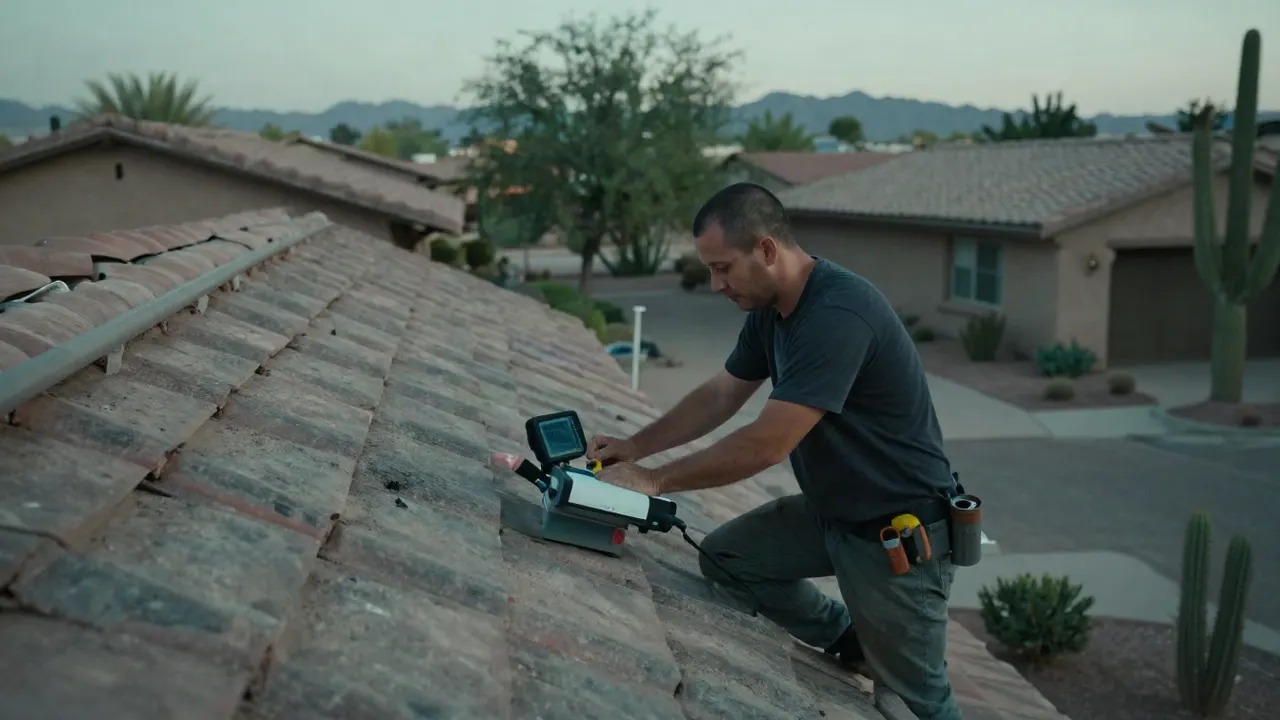
Rats enter Downtown Phoenix homes in winter because the desert outside stops supplying what they need: overnight lows drop into the 40s, irrigation lines shut off, and the fruit, seed, and restaurant waste they were living on gets harder to find. Your attic, wall voids, and garage stay 15 to 25 degrees warmer than the alley behind them, and that temperature gap is the whole story. Rats are not migrating into Phoenix for the season - they are already here, on your block, and winter just pushes them through the first gap they can find.
Downtown is a specific case. The warehouse district, Roosevelt Row, and the blocks around Van Buren pack 80- to 100-year-old buildings next to new construction, dumpsters, and irrigated courtyards into a few square miles. That density means a rat population never has to travel far to reach your roofline. Below, we cover what changes in November and December, how roof rats and Norway rats behave differently, where they get in, and what actually keeps them out through spring.
Why rats enter Downtown Phoenix homes in winter
Why rats enter Downtown Phoenix homes in winter is a resource question, not a weather question. Rats need three things to survive: shelter that holds heat, food within about 150 feet of that shelter, and water. Winter removes the easy version of all three outdoors and hands you the hard version indoors.
Three things happen at once in late November:
- Temperatures drop. Phoenix overnight lows fall from the 70s in October to the low 40s by December. A rat's body loses heat fast at that range, and an attic sitting at 65 degrees is a survival advantage.
- Outdoor water dries up. Landscape irrigation gets cut back or shut off, and puddles around evaporative cooler drains disappear. Rats start hunting for standing water - pet bowls, AC condensate lines, and slow drips under sinks.
- Food gets concentrated. Citrus drops finish, and rats shift to whatever is reliable: dumpsters, bird feeders, dog food left out overnight, and the grease trap behind a restaurant.
That combination is why a house that had zero rat activity in July suddenly has scratching in the ceiling in December. The rats were always within a block or two. Winter just made your building the best option.
What actually changes in Downtown Phoenix when the temperature drops
Downtown Phoenix in winter is not cold by national standards, but it is cold enough to change rat behavior, and the neighborhood's building stock makes the shift worse.
Two things stand out. First, the age of the housing. A large share of Downtown homes and small commercial buildings went up between the 1920s and the 1960s, which means clay tile roofs, original vent stacks, and pier-and-beam or slab foundations with utility penetrations that were never sealed to modern standards. A 1925 bungalow near Central Avenue can have 20 or more gaps a rat can use. A 2020 build usually has three or four.
Second, the density. Downtown blocks mix restaurants, alleys, vacant lots, and occupied homes within a few hundred feet. Rats do not respect property lines. When a restaurant reduces its outdoor seating in November and the alley dumpster gets covered, the nearest warm structure becomes the target - and that is often the house next door.
If you live in one of these older blocks, our team handles Pest Control in Downtown Phoenix year-round and sees this pattern repeat every November.
Roof rats vs. Norway rats: which one is in your ceiling
Roof rats in Phoenix winter are the ones you hear in the attic. They are the smaller, darker, more agile species, and they almost never live at ground level if a vertical route exists.
Here is how the two species split in Downtown Phoenix:
- Roof rats - 6 to 8 inches of body plus a tail longer than the body. Excellent climbers. They travel power lines, palm fronds, citrus branches, and block walls. You find them in attics, between ceiling joists, inside soffits, and in the space above a garage. Droppings are about a quarter inch, pointed at both ends.
- Norway rats - 7 to 9 inches of body, tail shorter than the body, heavier build. Burrowers. They live in ground-level spaces: crawlspaces, garages, planters, woodpiles, and the void under a shed. Droppings are larger, roughly half an inch, and blunt-ended.
The distinction matters because the treatment is different. Roof rats need exclusion work at the roofline and tree-line trimming. Norway rats need ground-level sealing and harborage removal. Treating one like the other is why DIY baiting often fails - you kill a few rats and the rest keep coming through the same opening.
How do rats get inside a Downtown Phoenix house?
Rats get inside through openings the size of a quarter, and they find those openings by following the same routes every night. In Downtown Phoenix, we see the same entry points on almost every job.
- Roof-to-wall junctions and soffit gaps. On older tile roofs, the gap where the roof deck meets the fascia is often wider than it should be. Roof rats slip through and drop into the attic.
- Vent stacks and plumbing penetrations. A 1.5-inch pipe running through a 2-inch hole leaves a half-inch ring. Rats use it.
- Dryer vents. The flapper on a dryer vent is a one-way door for lint, not for rats. If the flapper is stuck open, that is a direct line into the wall cavity.
- AC line sets and condensate drains. The hole in the exterior wall where refrigerant lines enter is frequently unsealed on older homes.
- Garage door corners and thresholds. A worn bottom seal leaves a gap that a Norway rat walks straight through.
- Tree and vine contact with the structure. A citrus branch touching the roof or a bougainvillea against the wall is a bridge. Remove the bridge and the entry point becomes much harder to reach.
One more entry point is worth naming: the gap under a front door. In Downtown Phoenix, where homes sit close to sidewalks and alleys, a quarter-inch gap under a door is an open invitation. Weatherstripping costs under $30 and closes it.
What attracts rats to Phoenix AZ homes in winter
What attracts rats to Phoenix AZ homes in winter is almost always one of five things, and four of them are things you control.
- Pet food left out overnight. A bowl of dry dog food is roughly 350 calories. A rat needs about 25 calories a day. One bowl feeds a colony.
- Bird feeders. Seed spills onto the ground and stays there. In winter, that is a reliable food source within feet of your wall.
- Fruit on the ground. Citrus, palm seeds, and mesquite pods all draw rats. If you have a grapefruit tree, pick up what drops weekly.
- Water sources. Dripping hose bibs, AC condensate lines, and pet water bowls. Rats need water daily, and in winter the outdoor supply shrinks.
- Harborage. Woodpiles against the house, cardboard boxes in the garage, ivy on the wall, and unsealed crawlspaces. Rats do not need a food source inside your home if they have shelter and a route to a nearby dumpster.
If you have a general pest problem on top of the rat issue - roaches in the kitchen, ants along the counter - the same conditions usually feed both. Our General Pest Control Phoenix AZ service handles the perimeter and interior in one visit.
Signs of rats in Phoenix AZ home winter
Signs of rats in Phoenix AZ home winter show up before you ever see a rat. Most homeowners call us after two or three weeks of noise they talked themselves out of.
Watch for these:
- Scratching or scurrying in the ceiling between 9 p.m. and 2 a.m. Roof rats are nocturnal and most active in the first few hours after dark.
- Droppings along wall edges, in the back of kitchen cabinets, on top of water heater platforms, and in the garage. Fresh droppings are dark and soft; older ones are gray and brittle.
- Grease rub marks along baseboards and pipes. Rat fur carries oil, and a route used nightly leaves a dark smudge.
- Gnaw marks on food packaging, PVC pipes, and electrical wiring. Chewing on wiring is the expensive one - it is a real fire risk and a common reason we get called.
- Pet behavior. A dog that suddenly stares at the ceiling or a cat that camps out under the stove is often the first alert.
- Nests. Shredded paper, insulation, and fabric in a corner of the attic or behind the water heater.
If you have any two of these, assume you have an active infestation and not a one-off visitor. Rats that have found a warm, quiet space in November will stay through March.
Rat prevention Phoenix AZ winter: what actually works
Rat prevention Phoenix AZ winter comes down to closing the routes and removing the reasons. Do both, or the rats come back.
Seal the structure
Walk the exterior with a flashlight and a tube of sealant. Fill every gap larger than a quarter inch with copper mesh and expanding foam, or with hardware cloth for larger openings. Pay attention to roof-to-wall junctions, vent stacks, dryer vents, AC line penetrations, and the bottom corners of garage doors. Copper mesh works better than steel wool because rats cannot chew through it and it does not rust in Phoenix heat.
Cut the bridges
Trim any tree branch within 3 feet of the roof. Keep vines off the exterior walls. Move woodpiles and stored materials at least 18 inches away from the foundation. These three steps alone eliminate most roofline access.
Remove the food and water
Bring pet food in at night. Use a covered bin for bird seed or take the feeder down for the winter. Pick up fallen fruit weekly. Fix dripping hose bibs and route AC condensate away from the foundation. If you have a compost pile, use a sealed tumbler rather than an open bin.
Reduce harborage
Clear cardboard and clutter from the garage. Seal crawlspace access doors. Keep the space under the water heater and the AC air handler clean - these are two of the most common nesting spots we find in Downtown Phoenix homes.
If you are dealing with rats and roaches or ants at the same time, our Rodent Control Phoenix AZ service covers the rodent side while a general pest treatment handles the rest. Homeowners in the older blocks just north of Downtown often need both - we run Pest Control in Central City on the same schedule and see identical entry points on those 1940s and 1950s homes.
Common mistakes homeowners make with winter rat problems
The most common mistake is treating a rat problem like a mouse problem. Rats are neophobic - they avoid new objects in their environment for several days. A snap trap set the night you buy it often sits untouched for a week while the rats keep using the same route.
Other mistakes we see regularly:
- Using poison bait indoors. A rat that eats rodenticide and dies inside a wall creates a smell problem that costs far more to fix than the original infestation. Bait belongs in tamper-resistant exterior stations, not under the kitchen sink.
- Sealing entry points before removing the rats. If you close the openings first, you trap the colony inside. Exclusion comes after removal, not before.
- Setting traps along the floor when the rats are in the ceiling. Roof rats travel overhead. Traps need to be on the routes they actually use - attic joists, soffit ledges, and the top of the water heater platform.
- Ignoring the exterior. Killing rats inside without fixing the outside conditions means a new colony moves in within a few weeks.
- Waiting until spring. A winter infestation that goes untreated from December to March can produce two or three litters. One pair of rats can turn into 30 or more animals in a single season.
When to call a professional
Call a professional when you have heard scratching for more than three nights, when you find droppings in more than one room, or when you have already set traps for a week with nothing caught. Those three signals mean the infestation is established and the entry points are not obvious.
At PastPath Near Me, we start with a full inspection of the attic, crawlspace, garage, and exterior perimeter. We identify the species, map the routes, remove the rats, and then seal the entry points so the problem does not come back next November. If you also need termite work on an older Downtown home - and many do - we handle Termite Control Phoenix AZ on the same visit so you are not paying for two separate inspections.
Frequently Asked Questions
Why are rats in my Downtown Phoenix home in winter?
Rats come inside for warmth, water, and reliable food. Phoenix overnight lows drop into the 40s from December through February, outdoor irrigation shuts off, and natural food sources thin out. Your attic stays 15 to 25 degrees warmer than the alley, which makes it the best shelter on the block.
How do I get rid of rats in winter in Phoenix AZ?
Remove the rats first, then seal the entry points. Trapping on the routes rats actually use - attic joists, soffit ledges, wall voids - usually clears an active infestation in 7 to 14 days. Sealing with copper mesh and foam afterward keeps them from returning. Poison indoors is a bad idea because rats die in walls.
Do rats come inside Phoenix homes in winter?
Yes, and more often than in summer. Roof rats in particular move from outdoor harborage into attics and wall voids as temperatures fall below 50 degrees at night. Downtown Phoenix homes with tile roofs and older construction see the highest rates of winter entry.
What attracts rats to Phoenix AZ homes in winter?
Pet food left out overnight, bird feeders, fallen citrus, dripping hose bibs, and harborage like woodpiles or cardboard in the garage. A single bowl of dog food supplies more calories than a rat needs in a day, and a dripping hose bib supplies all the water a colony needs.
How much does rat removal cost in Downtown Phoenix?
Typical 2026 pricing in Downtown Phoenix runs $250 to $450 for an initial inspection and trapping setup, with follow-up visits at $75 to $150 each. Full exclusion work - sealing entry points on an older home - adds $400 to $1,200 depending on the number of openings and roof access.
Get help with Pest Control in Phoenix
If you are hearing scratching in the ceiling or finding droppings in the garage, the rats are already established and winter is the season they settle in. We inspect, remove, and seal so the problem does not come back next November.
Call PastPath Near Me at +1-415-555-0132 to schedule a rat inspection in Downtown Phoenix. We offer same-week appointments and upfront pricing before any work begins.